Research theme · 02
Intelligent Transportation Systems
Using mobile, sensor, and V2X technologies to measure individual vehicle behavior and design transportation systems that improve performance and quality of life.
Overview
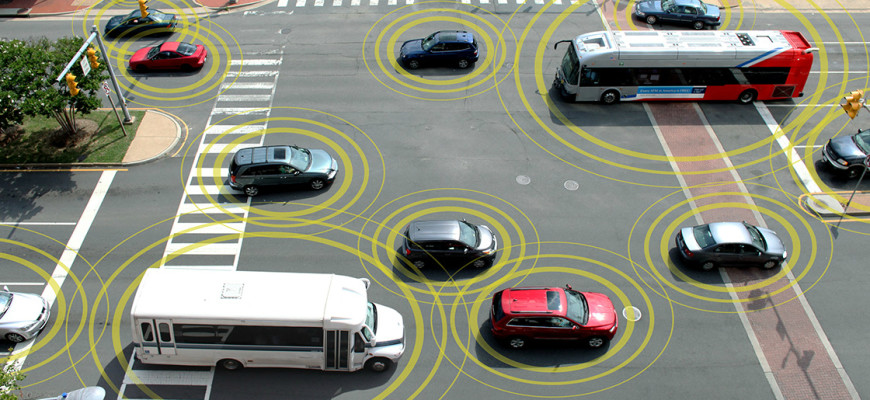
Mobile and sensor technologies — GPS, mobile phones, V2X communications — are transforming transportation. They enable measurement of individual vehicle characteristics (second-by-second speeds, accelerations, directions, destinations, etc.) and finer control of vehicle behavior. Together, these create new opportunities for transportation agencies to understand travel behavior and design systems that improve performance and quality of life.
Featured Projects
- High-Resolution Traffic Sensing with Autonomous Vehicles — Team: Shuguan Yang, Allison Plummer (Uber ATG).
- Smart Mobility Challenge: Real-Time Traffic Monitoring and Prediction for Cranberry Township — Team: Shuguan Yang.
- CPS: Collaborative Research: Matching Parking Supply to Travel Demand towards Sustainability — Co-PIs: Michael Zhang (UC Davis), Ram Rajagopal (Stanford); Team: Shuguan Yang.
- A Non-Sensor Solution for Effective and Inexpensive Parking Management.
- Real-Time Incident Detection Using Social Media Data.
- Dynamic Traffic Analysis and Travel Demand Management for Center City Bridge Reconstruction Plans.
- Mobility Data Analytics Center: the Engine for Building a Regional Traveler Information System for Pittsburgh.
Projects
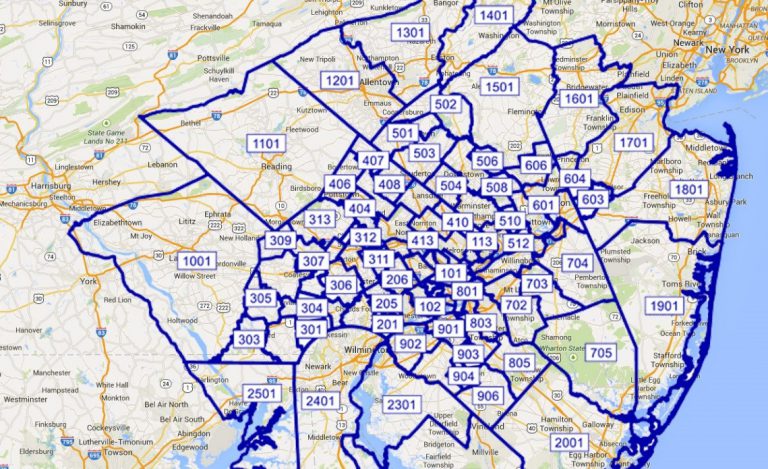 Dynamic Traffic Analysis and Travel Demand Management for Center City Bridge Reconstruction
A regional dynamic network model of the Philadelphia Metropolitan Region for predicting traffic impacts of planned and unplanned disruptions, tested on I-95 and Center City bridge closures.
Sean Qian · PennDOT, T-SET, Traffic 21
- Smart Mobility Challenge: Real-Time Traffic Monitoring and Prediction for Cranberry Township
Real-time traffic monitoring and prediction system for Cranberry Township under the Smart Mobility Challenge.
Sean Qian
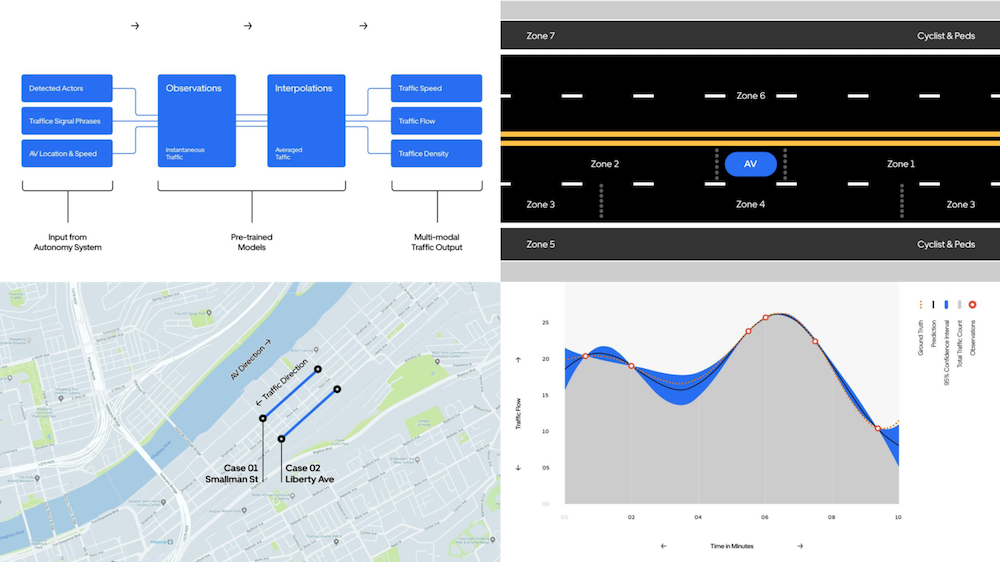 High-Resolution Traffic Sensing with Autonomous Vehicles
Using autonomous-vehicle fleets as mobile sensors to extract traffic insights — speeds, density, flow counts — from on-board object detection and tracking.
Sean Qian
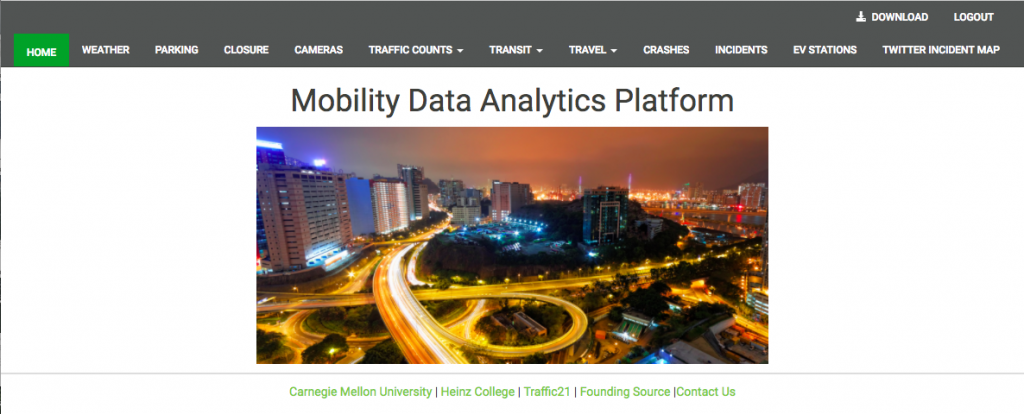 MAC: The Engine for Building a Regional Traveler Information System for Pittsburgh
A centralized data engine and web platform for managing, fusing, and analyzing large-scale mobility information across roadway, incident, parking, transit, weather, EV, and mobile data sources.
Sean Qian · Benedum Foundation
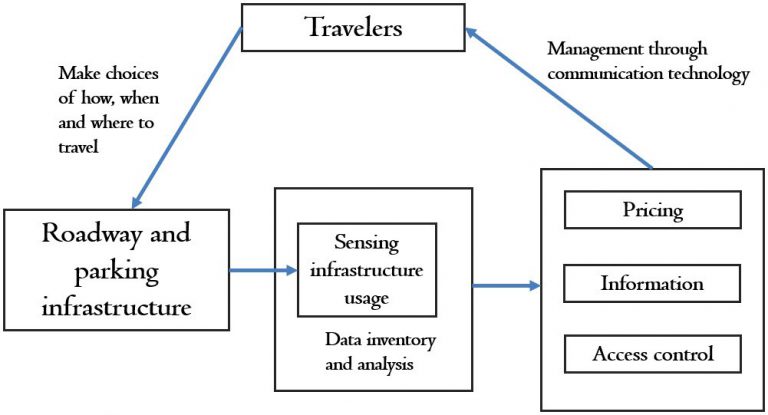 CPS: Collaborative Research: Matching Parking Supply to Travel Demand towards Sustainability
A cyber-physical-social system for sensing-driven parking that uses smart sensors, social media, and big-data analytics to match parking supply with travel demand.
Sean Qian · National Science Foundation (Cyber-Physical Systems program)
- Matching Rider Demand and Sharing Service in Transportation Infrastructure Networks for the Pittsburgh Metropolitan Area
Predictive models of rider demand for ride-sharing services, developed in partnership with Pittsburgh-based Gridwise.
Sean Qian · Pennsylvania Infrastructure Technology Alliance
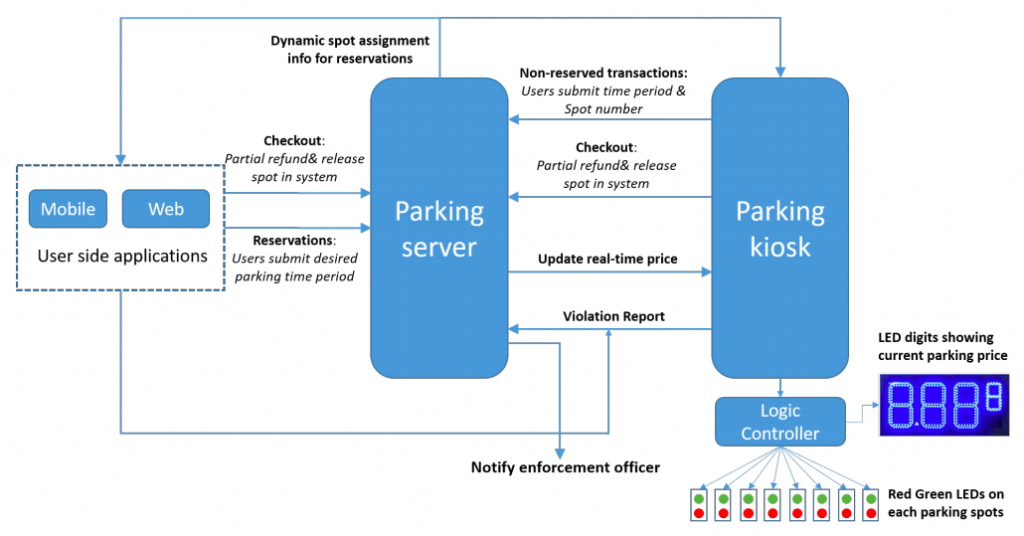 A Non-Sensor Solution for Effective and Inexpensive Parking Management: Payment, Reservation, and Dynamic Pricing
A sensor-free approach to on-street parking management combining real-time occupancy estimation, adaptive pricing, reservations, payment, and reduced enforcement cost.
Sean Qian · NSF
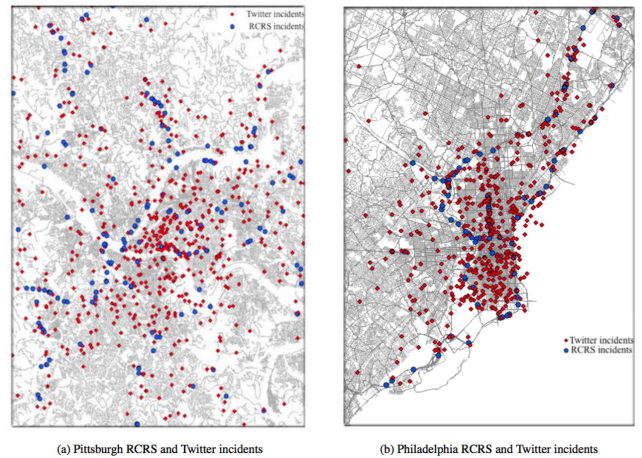 Real-Time Incident Detection Using Social Media Data
Detecting traffic incidents on highways and arterials in real time by mining geocoded tweets, validated in Pittsburgh and Philadelphia.
Sean Qian · PennDOT, T-SET